WFP Mid-Year Outlook Highlights Acute Hunger and the Gap in Resources
The mid-year assessment identifies continuing pressure on food-crisis responses.
The assessment
The World Food Programme’s July 2026 mid-year outlook says 266 million people across food-crisis countries face acute hunger. The agency identifies conflict as the main driver, compounded by economic shocks and climate risks, while humanitarian needs continue to exceed available funding.
A defined population
The estimate concerns acute hunger in food-crisis countries. It is not interchangeable with a worldwide measure of all food insecurity, poor diet or undernourishment. Those indicators can cover different populations and use different methods.
Why the denominator matters
As editorial context, a food-price story and a humanitarian-needs assessment answer different questions. A household’s shopping experience does not by itself establish a crisis classification. Reporting is more useful when it identifies the assessment period, geography and measure before comparing headline numbers.
What the image represents
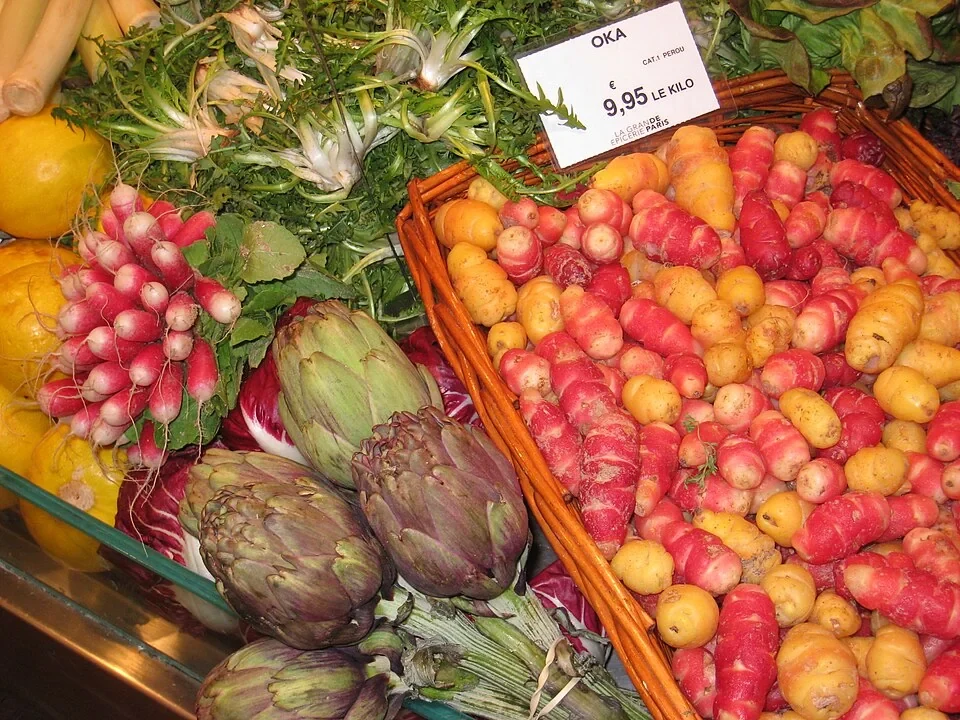
The linked outlook explains the assessment and response priorities. This summary does not make a claim about conditions in a particular shop. The archive grocery photograph illustrates food retail and is not evidence of the communities or assistance operations discussed in WFP’s report.
Publication dates and statistical reference periods may differ. Figures are attributed to the linked source. Archive images provide context and do not document the reported event.
Source & verification
Primary source: World Food Programme — 2026-07-07. Read the original for definitions, methodology and subsequent revisions. The source organization does not sponsor or endorse this publication.
 ITU Reports Wider Internet Access, With Two Billion Still Offline
 ILO Outlook Separates Stable Unemployment From the Quality of Work