UNEP Food Waste Review Points to a Household-Scale Challenge
An archive report connects household measurement with the wider effort to reduce food waste.
The finding
UNEP’s Food Waste Index Report 2024 estimated that households wasted more than one billion meals a day in 2022. The report, produced with WRAP, examined waste at household, food-service and retail levels. Its publication date and the year measured are different.
Measurement before comparison
The assessment emphasizes better measurement and action to reduce waste. Food-waste totals can include inedible parts, so readers should check a statistic’s definition before comparing it with a measure of edible meals. Different scopes can produce apparently inconsistent totals.
A practical reporting angle
As editorial context, the useful question is where a process can change. Purchasing, storing, serving and collecting food scraps are different steps. A local initiative needs a clear baseline and repeated observation before a reduction can be credibly reported.
An archive story
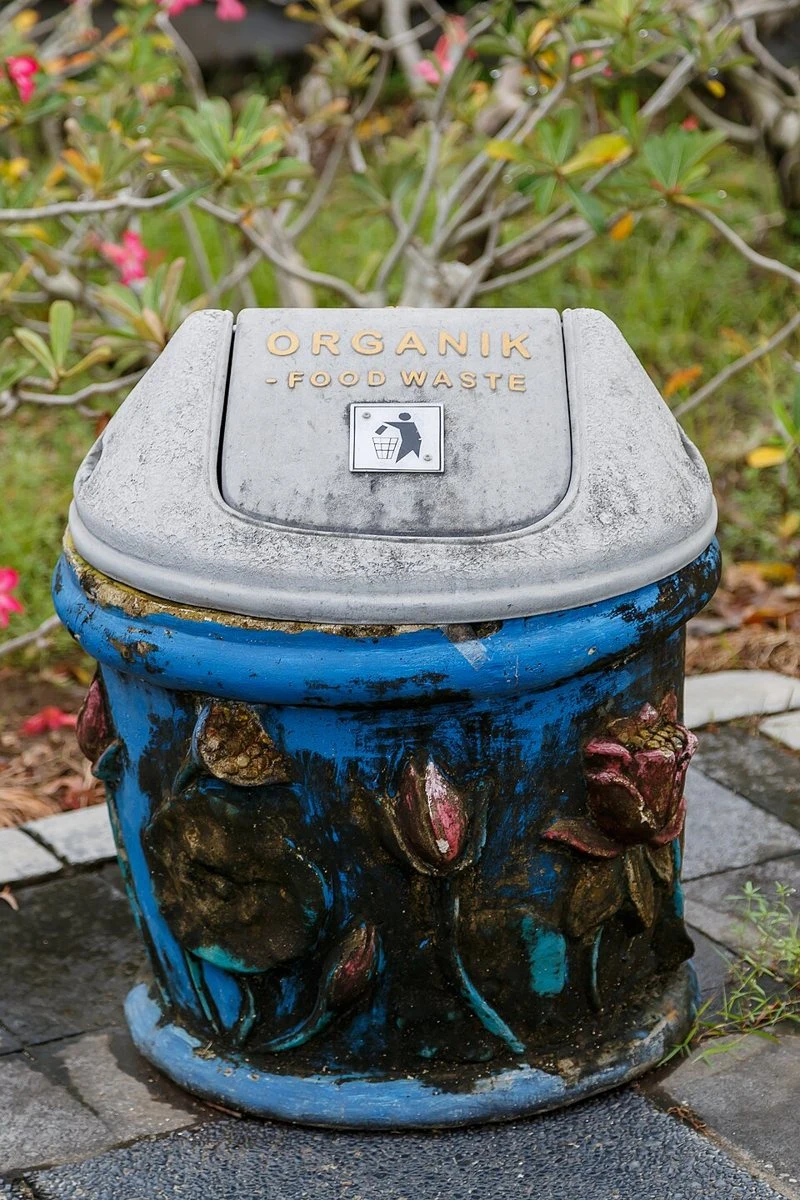
This article revisits the 2024 report and does not present its figures as a new 2026 measurement. The recycling-bin photograph illustrates separated waste collection. It does not demonstrate the food content, effectiveness or results of a particular collection programme.
Publication dates and statistical reference periods may differ. Figures are attributed to the linked source. Archive images provide context and do not document the reported event.
Source & verification
Primary source: UNEP — 2024-03-27. Read the original for definitions, methodology and subsequent revisions. The source organization does not sponsor or endorse this publication.
 ITU Reports Wider Internet Access, With Two Billion Still Offline
 ILO Outlook Separates Stable Unemployment From the Quality of Work