WHO and UNICEF Report Persistent Gaps in Household Water Services
A joint monitoring update examines the reliability and reach of essential household services.
The update
A WHO and UNICEF monitoring release published in August 2025 estimated that 2.1 billion people lacked safely managed drinking water. The assessment covers progress through 2024 and highlights disparities affecting rural communities, fragile settings and lower-income populations.
More than a water source
The report separates drinking water, sanitation and hygiene indicators. Safely managed water is a defined monitoring category, not simply another phrase for having a tap nearby. A headline about one service should not be used as a substitute for the other measures.
What residents experience
As editorial context, the availability of an essential service is also a question of practical access. Distance, interruptions and clear communication can affect how a household organizes its day. Local evidence is needed before drawing conclusions about a particular neighbourhood or water provider.
A dated global picture
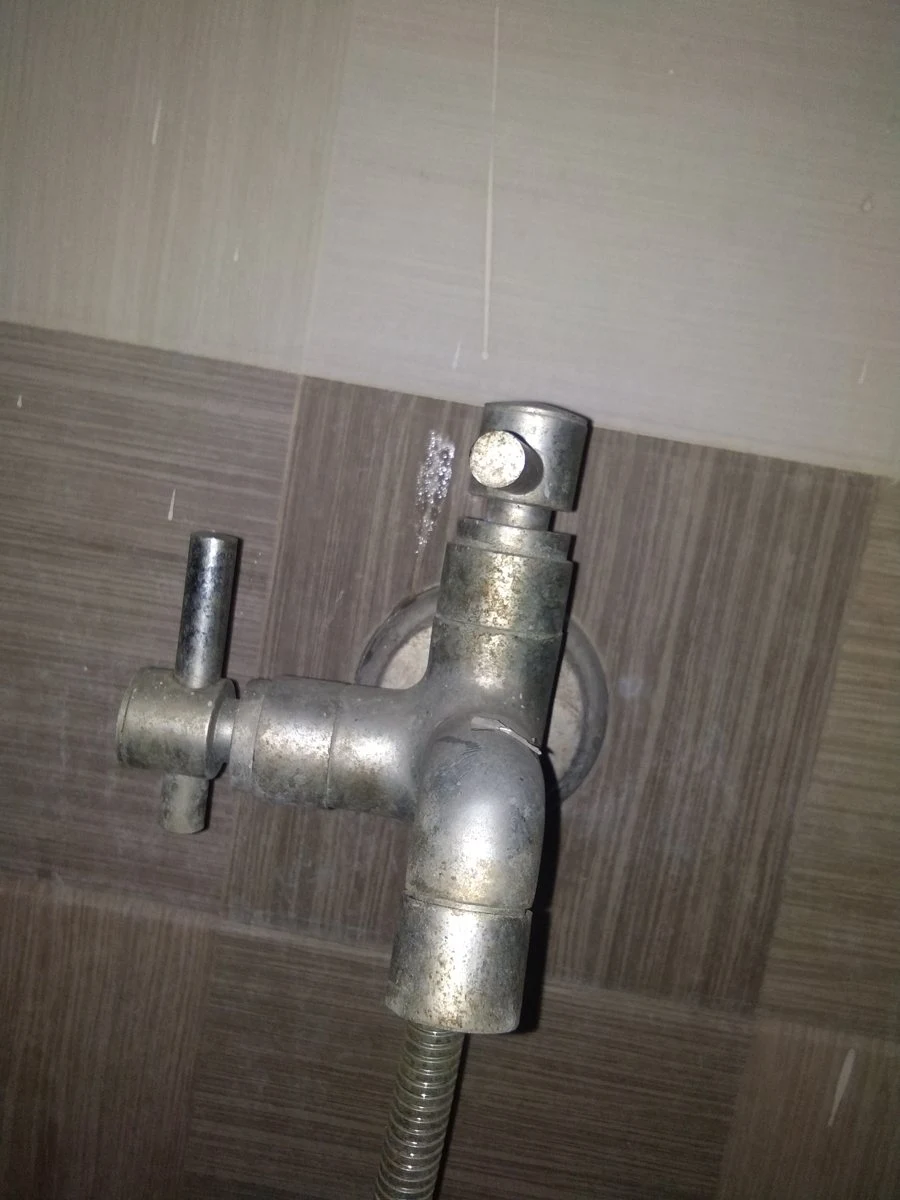
The linked release explains the underlying monitoring categories and reference period. These are global estimates reported in 2025, not a live assessment of water quality. The archive photograph illustrates a water fixture and does not document the communities counted in the report.
Publication dates and statistical reference periods may differ. Figures are attributed to the linked source. Archive images provide context and do not document the reported event.
Source & verification
Primary source: WHO and UNICEF — 2025-08-26. Read the original for definitions, methodology and subsequent revisions. The source organization does not sponsor or endorse this publication.
 ITU Reports Wider Internet Access, With Two Billion Still Offline
 ILO Outlook Separates Stable Unemployment From the Quality of Work