UN-Habitat’s 2026 Housing Report Examines More Than the Number of Homes
The World Cities Report considers security, affordability, services and living conditions together.
The report
UN-Habitat’s World Cities Report 2026 examines the global housing crisis and pathways towards adequate housing. Its overview says up to 3.4 billion people lack access to secure, safe and adequate housing, including more than one billion living in informal settlements and slums.
A broader definition
The report presents adequate housing as a foundation for sustainable urban development. The issue extends beyond the existence of a building to the conditions in which residents live. The global figure should not be read as a single count of people without any shelter.
The everyday geography
As editorial context, a home is connected to a wider network of places. Access to work, schools and essential services can shape how a location functions for its residents. Those relationships require local evidence rather than assumptions based on the appearance of a skyline.
Evidence and illustration
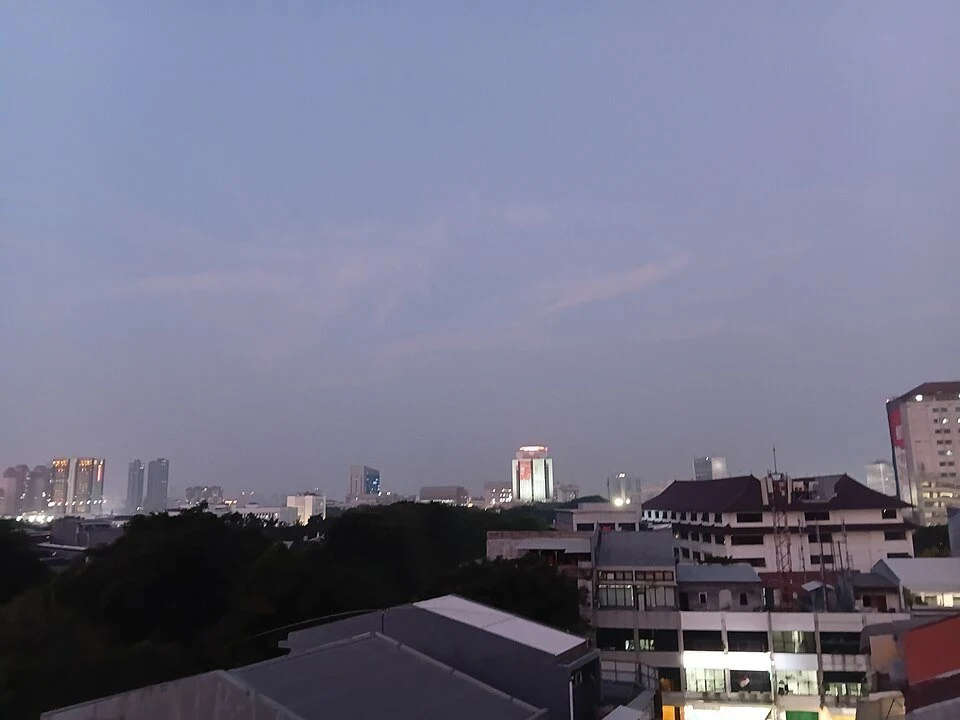
The linked report provides its definitions and analysis. This summary is not a ranking of particular cities or a property recommendation. The Jakarta skyline is an archive reference photograph and is not presented as a depiction of the people counted in the global housing estimate.
Publication dates and statistical reference periods may differ. Figures are attributed to the linked source. Archive images provide context and do not document the reported event.
Source & verification
Primary source: UN-Habitat — 2026 report. Read the original for definitions, methodology and subsequent revisions. The source organization does not sponsor or endorse this publication.
 ITU Reports Wider Internet Access, With Two Billion Still Offline
 ILO Outlook Separates Stable Unemployment From the Quality of Work